AI in Healthcare: Smarter Screening, Faster Care
How machine learning is helping clinicians spot issues earlier and prioritize care.
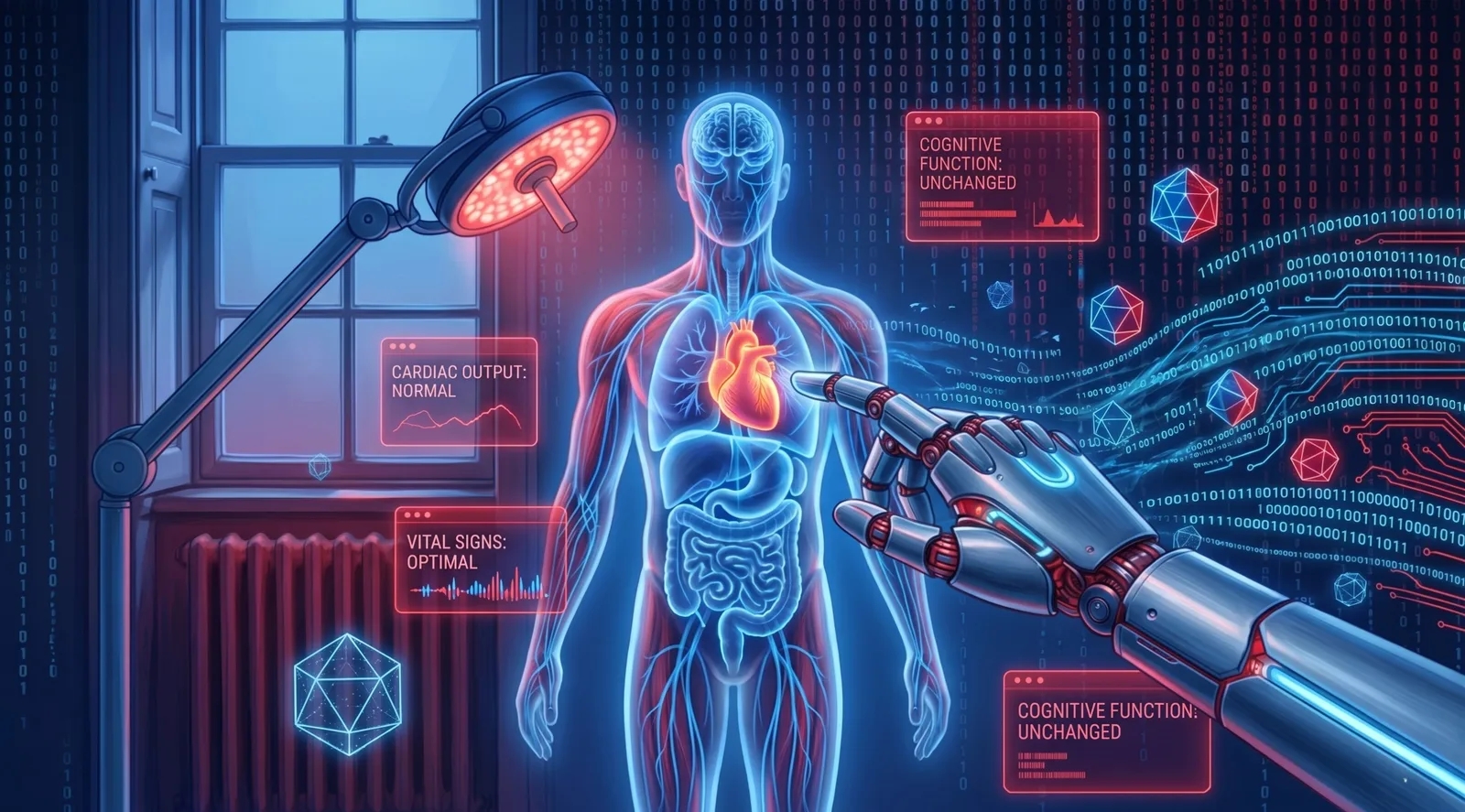
AI is helping healthcare teams move from reactive treatment to earlier detection by reading patterns across scans, lab results, symptoms, and clinical notes at a speed that human teams cannot match alone. In practical settings, that means a model can surface a risky abnormality, highlight a suspicious trend in a patient history, or prioritize a case for review long before the issue becomes obvious in a busy ward or clinic. The result is not just efficiency; it is a better chance to catch problems at a stage where intervention is more effective, less invasive, and often less expensive for the patient and the care system.
The real value is not replacing experts, but reducing the amount of repetitive work that slows them down. When AI handles low-risk screening and triage tasks, doctors and nurses can spend more time on the complex cases that need judgment, empathy, and follow-up. That shift matters because healthcare teams are constantly balancing speed with accuracy, and even a modest reduction in administrative load can free up time for better conversations, sharper diagnoses, and more consistent care across a larger patient population.