AI Meets Quantum Computing: A New Era of Acceleration
How quantum computing is supercharging AI to solve problems classical machines never could.
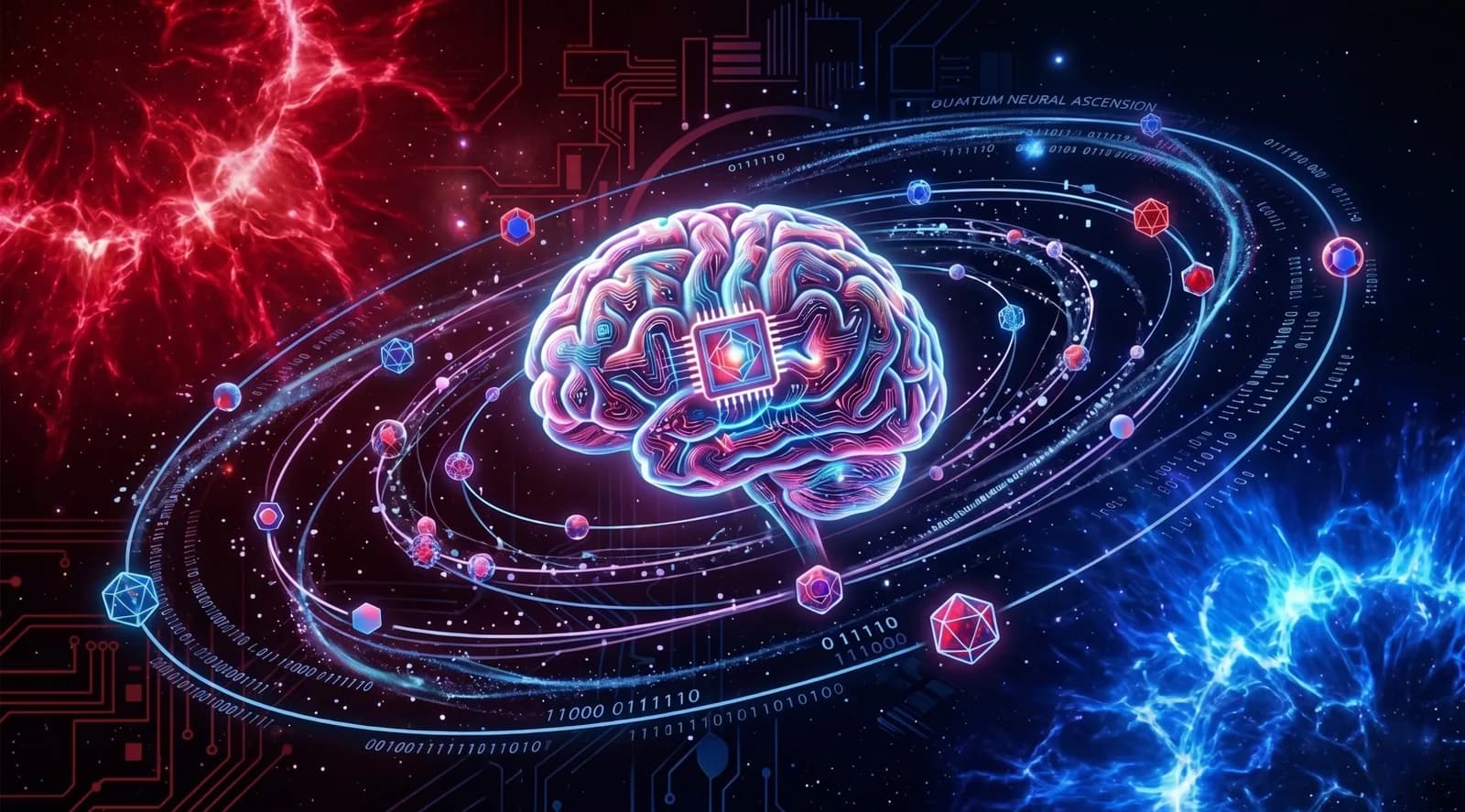
Quantum computing is no longer just theoretical; it's starting to complement AI by solving problems classical computers can’t. From drug discovery to advanced encryption, this fusion is unlocking possibilities once thought impossible. While still in early stages, AI + Quantum could redefine how fast and deep machines can think, especially in fields where optimization, simulation, and search space exploration become impossible to scale with traditional hardware alone.
What makes the combination so interesting is the difference in how the two technologies handle complexity. AI is strong at learning patterns from data, while quantum systems are promising for exploring many possible states at once. Together, that could make it possible to model molecules more accurately, improve routing and logistics, and accelerate scientific discovery in ways that would be far too slow for standard systems. The challenge is turning that promise into practical tools that researchers can actually use without requiring specialized expertise at every step.
In the near term, the biggest progress will likely come from hybrid workflows where classical AI systems and quantum processors work together rather than replacing each other. That approach is already shaping how researchers think about the future: AI can prepare the data, set up the problem, and interpret the output, while quantum hardware tackles the hardest computational core. It is still an evolving space, but it is one of the clearest examples of how today’s AI research is pushing beyond software alone and into the architecture of computing itself.